Quick Answer
Kashi Vishwanath Temple, located in Varanasi (Kashi), is one of the twelve Jyotirlingas dedicated to Lord Shiva. Kashi is Shiva's eternal city. Historically, the temple has been rebuilt several times after periods of destruction, and the present structure was commissioned by Queen Ahilyabai Holkar of Malwa in 1777-1780 CE.
The Story
Ancient Hindu texts such as the Kashi Khanda of the Skanda Purana describe Kashi as a sacred city chosen by Shiva himself. The name "Vishwanath" carries a profound meaning that Shiva is not only the deity of a particular place but the guardian of the entire cosmos. In Kashi, devotees believe that Shiva resides eternally as the protector of the city and its inhabitants. This belief is reflected in the traditional saying that Kashi is Shiva's own abode, where liberation (moksha) becomes possible through divine grace.
The historical record is clearer from the medieval period onward. References to a Vishweshwar (Vishwanath) temple appear in several pilgrimage accounts and regional records. The temple suffered damage during political conflicts in North India and was rebuilt multiple times by Hindu rulers and patrons.
In 1669 CE, the Mughal emperor Aurangzeb ordered the demolition of a major Vishwanath temple, and the Gyanvapi Mosque was constructed on part of the site. This is supported by Persian chronicles and later historical studies.
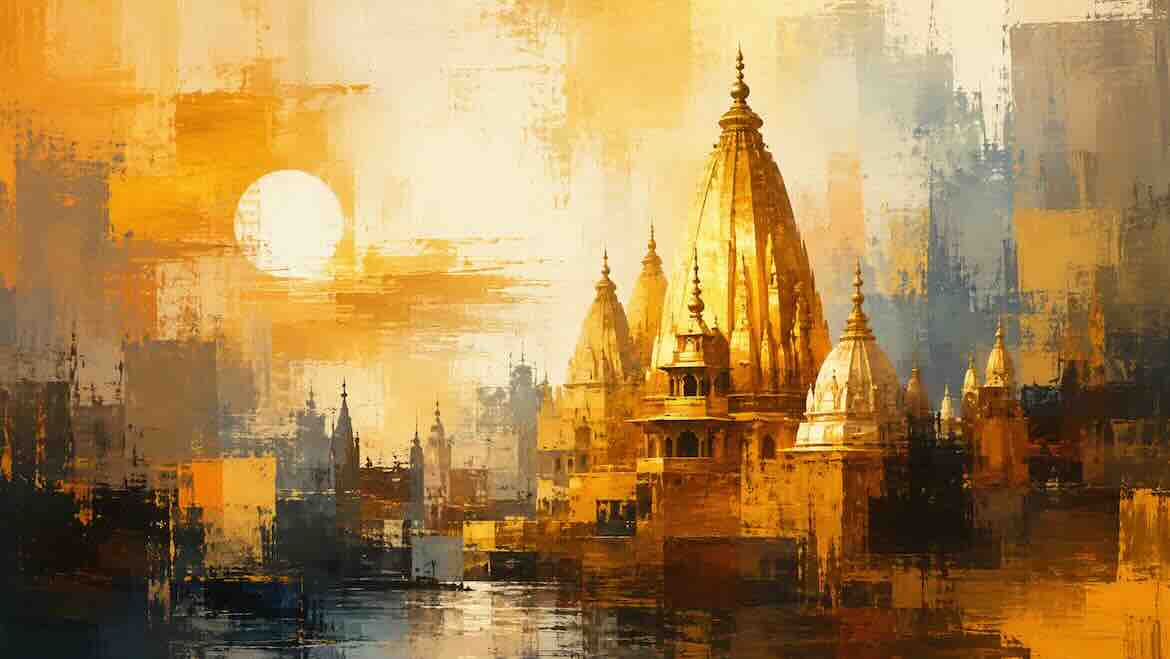
The present Kashi Vishwanath Temple was built nearby under the patronage of Ahilyabai Holkar, the Maratha queen of Indore. In 1839 CE, Maharaja Ranjit Singh donated gold for the plating of the temple's main shikhara, giving it the famous golden appearance associated with the shrine today.
The Architecture
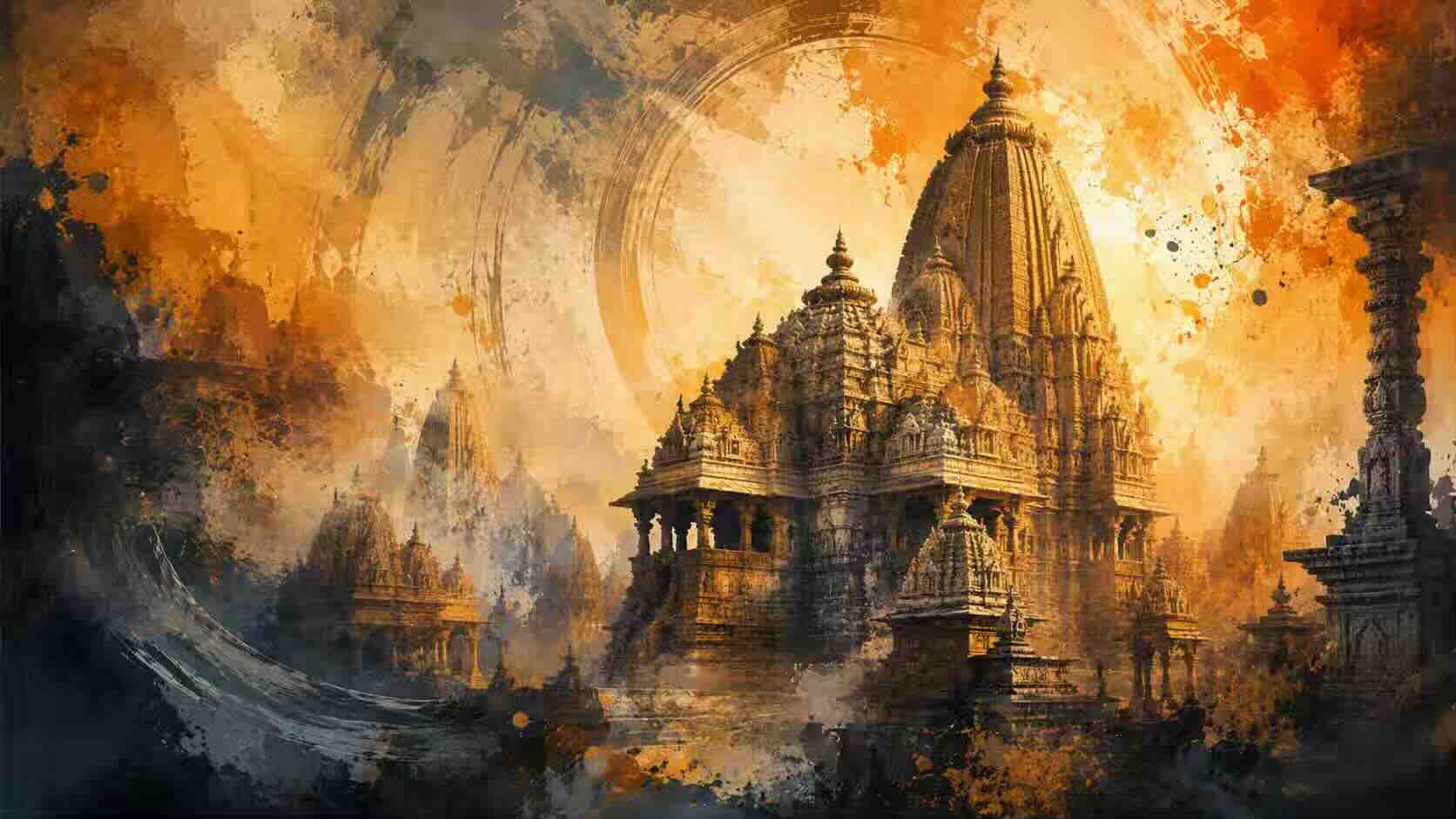
The most fascinating feature of Kashi Vishwanath is its gold-covered shikhara rising above the dense urban fabric of Varanasi. Built in the North Indian Nagara style, the temple has a relatively compact sanctum compared to the massive temple complexes of South India.
Its architectural uniqueness lies in how the temple is woven into the narrow lanes of Kashi, creating an intense pilgrimage experience where sacred space and everyday city life exist side by side.
Did You Know?
A lesser-known fact is that the temple's traditional name is Shri Vishweshwar, meaning "Lord of the Universe." The popular name Kashi Vishwanath became more widely used over time through devotional and pilgrimage traditions.
Why It Matters
Kashi Vishwanath remains one of the most important pilgrimage centres in India. For millions of devotees, visiting the temple and bathing in the nearby Ganga is believed to bring spiritual merit.
Historically, the temple symbolises the resilience of sacred traditions. Despite repeated destruction and reconstruction, the worship of Vishweshwar continued for centuries, making the site an important example of cultural continuity in Indian civilisation.
References
- Skanda Purana: Kashi Khanda (critical editions and reputed translations)
- Archaeological Survey of India (ASI) reports on Varanasi's historical monuments
- Satish Chandra, Medieval India
- Historical records relating to Ahilyabai Holkar and Maharaja Ranjit Singh