Quick Answer
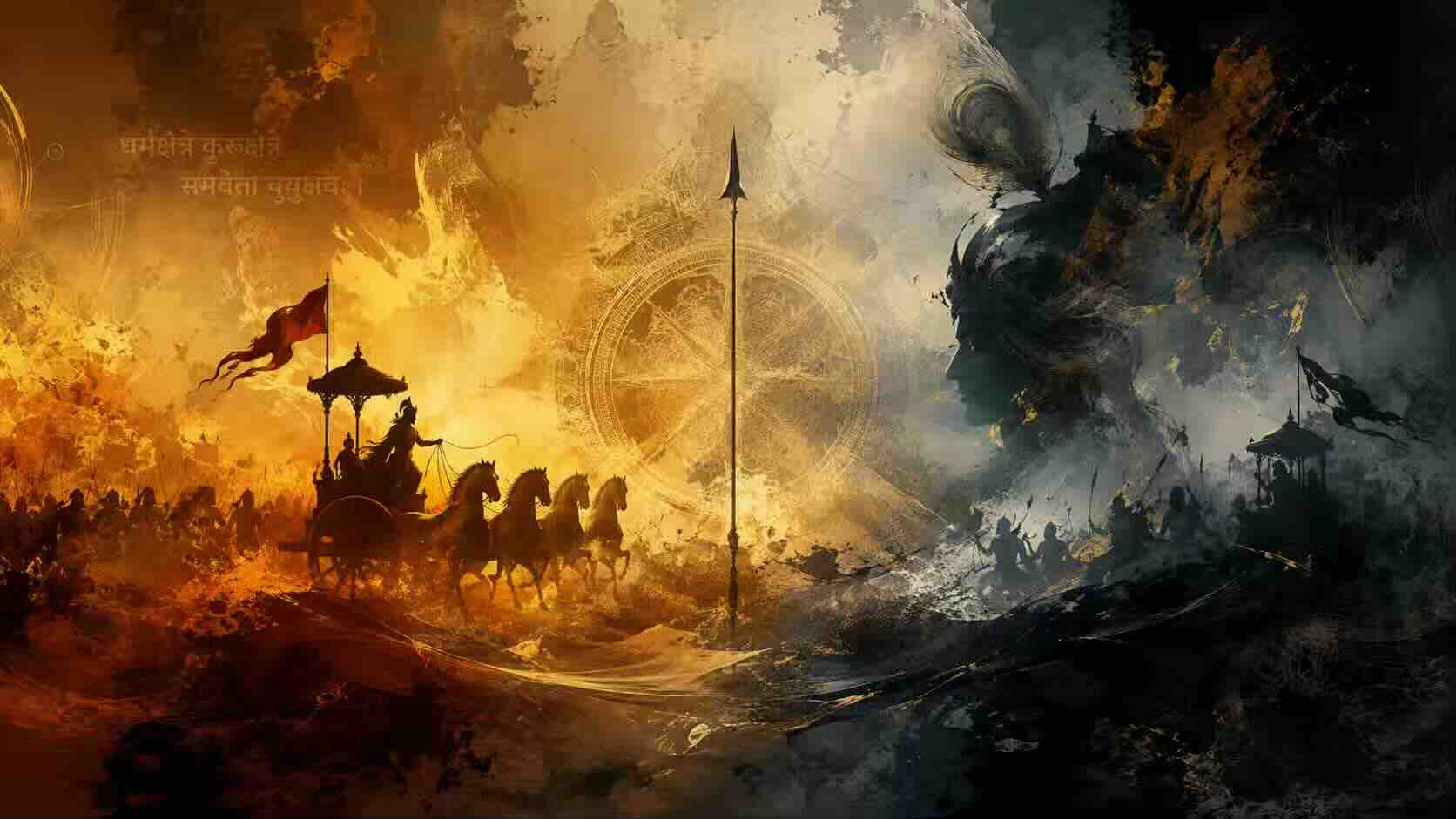
Devavrat became Bhishma after taking a terrible and extraordinary vow. To enable his father, King Shantanu, to marry Satyavati, he first gave up his right to the throne and then vowed to remain celibate for life, ensuring that he would never have children who could challenge Satyavati's descendants for the throne. The gods called this a "Bhishma Pratigya": a fearful or formidable vow, and Devavrat came to be known by that name.
The Story
Devavrat was the son of King Shantanu and Ganga. He was highly accomplished in the Vedas, warfare, statecraft and other disciplines. After Ganga returned him to Shantanu, the king made him the heir to Hastinapur.
Years later, Shantanu met Satyavati, the daughter of a fisherman-chief, and wished to marry her. Her father agreed only on one condition: Satyavati's son must become the heir to the Kuru throne. Shantanu could not accept this because Devavrat had already been declared heir, so he returned to Hastinapur deeply unhappy.
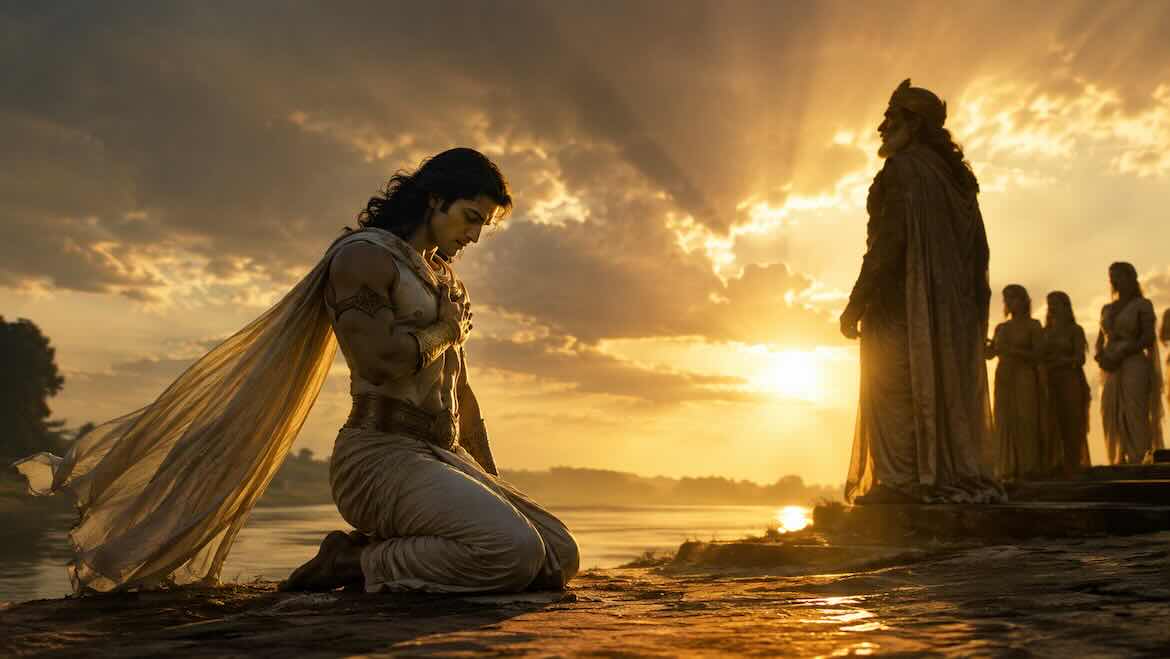
Devavrat noticed his father's sorrow and discovered the reason. Wanting to fulfil his father's wish, he went to Satyavati's father and made his first sacrifice: he renounced his claim to the throne and promised that Satyavati's future son would become king.
But the fisherman-chief still had a concern. He feared that Devavrat might later have sons of his own, who could claim the throne and create conflict with Satyavati's children.
Devavrat then made an even more extraordinary declaration. He vowed that he would never marry and would observe lifelong celibacy, so that he would never have descendants who could challenge Satyavati's line.
The vow was so severe that the gods are described as showering flowers from heaven and proclaiming him Bhishma, meaning one who had undertaken a formidable or terrible vow. From that moment, Devavrat became Bhishma.
When Shantanu learned what his son had sacrificed for him, he was deeply moved. He granted Bhishma the extraordinary boon of choosing the time of his own death, traditionally known as iccha-mrityu.
Thus, Bhishma's name was not inherited. It was earned through a vow.
Did You Know?
- Bhishma's original name was Devavrat.
- He was also known as Gangeya or Gangaputra, meaning the son of Ganga.
- His boon of choosing the time of death became especially important during the Kurukshetra War.
Why It Matters Today
Bhishma's story raises an important question: How much should a person sacrifice for family and duty? His commitment to his father was extraordinary, but the Mahabharat also shows that great vows can have consequences far beyond the moment in which they are taken. Bhishma's decision helped Shantanu marry Satyavati, but it also shaped the complicated succession that eventually led to the great Kuru conflict.
References
- Mahabharat
- Adi Parva, Sambhava Parva, Sections 98-100: Birth and upbringing of Devavrat, his return to Shantanu, the meeting with Satyavati, and the vows that earned him the name Bhishma.
- Adi Parva, Section 100: Devavrat's renunciation of the throne and his vow of lifelong celibacy.
- Adi Parva, Section 101: Consequences of Bhishma's vow and his role in the Kuru succession.